Earls Court rubbish clearance guide for SW5 flats
Posted on 19/06/2026

If you live in an SW5 flat, rubbish clearance can feel oddly complicated for something that should be simple. One day it is a broken chair, the next it is three bin bags, an old mattress, and that box of "I'll deal with it later" clutter from the top of the wardrobe. In Earls Court, where many homes are period conversions, mansion blocks, and compact upper-floor flats, clearance is rarely just a matter of carrying things out the door. This Earls Court rubbish clearance guide for SW5 flats explains how to handle it properly, what to watch out for, and how to make the whole job less stressful.
We will walk through the practical side of flat clearance in a real London setting: access, timing, building rules, recycling, costs, and the small details that make a big difference. If you want the short version, it is this: plan ahead, separate items sensibly, and use a service that understands flat access and local waste handling. Simple in theory. Not always so simple in practice.
Why Earls Court rubbish clearance guide for SW5 flats Matters
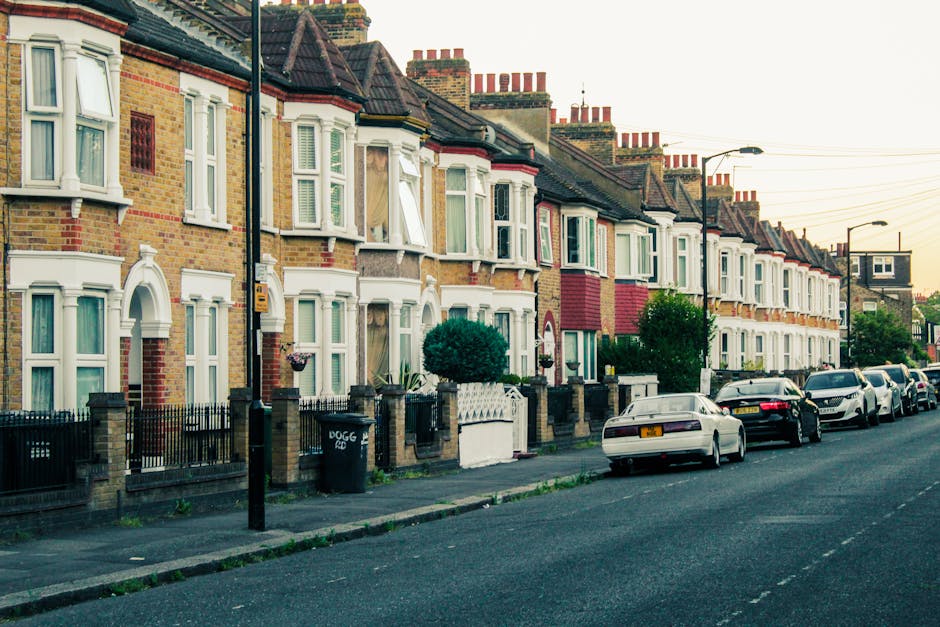
Earls Court is full of homes that look straightforward from the street but become a puzzle once you start moving bulky items. Narrow staircases, shared hallways, lift restrictions, controlled parking, and neighbours who quite reasonably do not want noise at 7 a.m. all shape how flat clearance needs to be done. That is why a local, flat-specific approach matters.
For SW5 residents, rubbish clearance is not only about getting rid of unwanted items. It is also about protecting your building, avoiding accidental damage, and keeping the process efficient enough that it does not take over your day. A sofa that can be lifted out of a terraced house in ten minutes may need a very different plan in a third-floor flat with a tight turn on the landing. You notice these things quickly when you are standing there with a wardrobe that seems to have grown in size overnight.
This is also where good planning saves money. The more clearly you can explain what needs removing, the better the service can estimate labour, vehicle size, and time on site. If you are comparing options, it helps to look through a clear services overview and understand which type of clearance fits your situation best.
Expert takeaway: In SW5 flats, clearance succeeds or fails on access planning. The item list matters, yes, but stair width, lift availability, parking, and building rules usually matter just as much.
How Earls Court rubbish clearance guide for SW5 flats Works
The process is usually simpler than people expect, provided you prepare well. A typical flat clearance in Earls Court starts with identifying what needs removing, followed by a quote, a booking slot, and then the collection itself. In many cases, the crew will remove items from inside the flat, carry them downstairs, and load them into a vehicle for sorting, recycling, or disposal.
For flats, the real work often happens before the team arrives. Are there lift restrictions? Will the concierge need notice? Is there a loading bay or controlled parking zone? Is the item in a bedroom at the back of the property, or right by the entrance? These details shape the time required and how many people need to attend.
Good providers also think about segregation. Reusable furniture, recyclable metal, electrical items, general household waste, and bulky materials may all be handled differently. If you are dealing with end-of-tenancy clutter, renovation leftovers, or a wider property clear-out, it may also help to compare related options such as house clearance in Earls Court or even broader waste removal in Earls Court depending on what needs shifting.
In practical terms, the workflow looks like this:
- You identify the items and send a clear description, ideally with photos.
- The provider assesses access, volume, and any special handling needs.
- A quote is issued, often based on load size, labour, and access difficulty.
- A time is booked that works for your building and neighbours.
- The team removes, sorts, and disposes of the items appropriately.
To be fair, the best jobs are the boring ones. No surprises, no awkward delays, no trying to squeeze a chest of drawers round a corner it was never meant to meet.
Key Benefits and Practical Advantages
Flat clearance in Earls Court offers more than convenience. Done properly, it protects your time, your back, and sometimes your deposit. That last part tends to matter quite a bit if you are moving out or preparing a property for sale or letting.
- Faster turnaround: A focused clearance can free up an SW5 flat in hours rather than days.
- Less risk of damage: Trained handlers are less likely to scuff walls, break stair rails, or chip paintwork.
- Better use of space: Clearing bulky items gives you room to clean, redecorate, or stage the flat.
- Cleaner recycling outcomes: Items can be sorted more carefully when the team understands what they are carrying.
- Less personal stress: You do not have to organise lift-outs, vehicle loading, and disposal all on your own.
There is also a quieter benefit that people often overlook: a good clearance service can help you see your flat properly again. Once the clutter goes, the rooms tend to feel larger, brighter, and less cramped. In a typical Earls Court flat, that can make a surprisingly big difference.
If you are managing a move, a refurbishment, or a tenancy handover, a local team experienced in rubbish clearance in Earls Court is often the most efficient route because they understand the pace and layout of the area.
Who This Is For and When It Makes Sense
This guide is for anyone living, renting, or managing property in an SW5 flat who needs clutter, bulky waste, or mixed household items removed without hassle. That includes private tenants, landlords, homeowners, letting agents, and even property managers dealing with periodic clear-outs.
It also makes sense in a few very ordinary situations:
- you are moving out and need to clear abandoned items quickly;
- your new furniture has arrived and the old pieces must go before the delivery van leaves;
- you are doing a light refurbishment and the room is full of packaging, broken fixtures, or offcuts;
- you are helping a relative downsize and the flat needs a calm, respectful clear-out;
- you run a small workspace from a flat and need occasional office-style clearance;
- you simply cannot face carrying a mattress down four flights of stairs by yourself. Fair enough, really.
For certain jobs, related services can be useful too. For example, if your flat clearance includes renovation debris, builders waste disposal in Earls Court may be the closer match. If the issue is more about furniture, clothing, and general household clutter, a more complete house clearance service may be the better fit.
Step-by-Step Guidance
Here is the cleanest way to handle flat rubbish clearance in SW5 without creating a mess of your own in the process.
1. Sort the items before you book
Start by separating the things you want removed into rough groups: furniture, bags of mixed rubbish, electrical items, metal, soft furnishings, and anything bulky or awkward. You do not need museum-level precision, but a rough split helps.
2. Check access in the building
Look at the stairs, lifts, entry codes, and parking restrictions. If your building has a concierge or management office, give them a heads-up. A five-minute conversation now can save thirty minutes of waiting later.
3. Photograph everything
Clear photos help with accurate pricing and avoid awkward surprises. Include the size of large items and, if possible, show the route from the flat to the exit. A hallway that looks wide in your mind may be less generous in real life.
4. Ask how the waste will be handled
It is reasonable to ask whether items will be reused, recycled, or disposed of responsibly. If sustainability matters to you, choose a provider with a visible recycling approach. You can also read more about recycling and sustainability practices for a better sense of what responsible clearance should look like.
5. Book a time that suits the building
Morning may be better if your block has strict quiet hours. Midday can be easier if parking is tight. Late afternoon can work well for some tenancies, but it may clash with resident traffic. The right slot is usually the one that causes the least friction.
6. Clear the route before the crew arrives
Move small personal items, plants, and breakables out of the way. Open doors if you can. Unlock the communal entrance if needed. That tiny bit of prep makes a service feel smoother immediately.
7. Confirm the final load before anything leaves
Before the team departs, do a final visual check. In a real flat, it is easy for one bag or lamp to hide behind a chair. Happens all the time.
Expert Tips for Better Results
After enough clearances, you begin to notice the same patterns. The smooth jobs are rarely the lucky ones; they are the prepared ones. A few practical tips make a real difference in Earls Court flats.
- Be specific about access: "Second floor, no lift, narrow stairwell" is far more useful than "easy access."
- Group awkward items together: Mirrors, mattresses, dismantled wardrobes, and old desks often need extra handling time.
- Keep shared areas clear: Building managers tend to appreciate this. So do your neighbours.
- Ask for a clear pricing breakdown: Understanding labour, load size, and any extra access charges avoids confusion later.
- Think in terms of the whole move: If the flat is being emptied, link clearance with cleaning, handover, or decorating in one plan.
A small but useful tip: if you are clearing a flat in winter, daylight matters. A 4 p.m. collection on a dark staircase is a different experience from a sunny morning job in June. Not dramatic, just practical.
If your clearance includes multiple item types or a larger-than-usual load, it is worth reviewing your rubbish removal needs in a broad sense before deciding which service mix makes the most sense.
Common Mistakes to Avoid
Most clearance problems come from small assumptions. The flat looks easy. The lift works. The parking will sort itself out. Then the crew arrives, and reality politely disagrees.
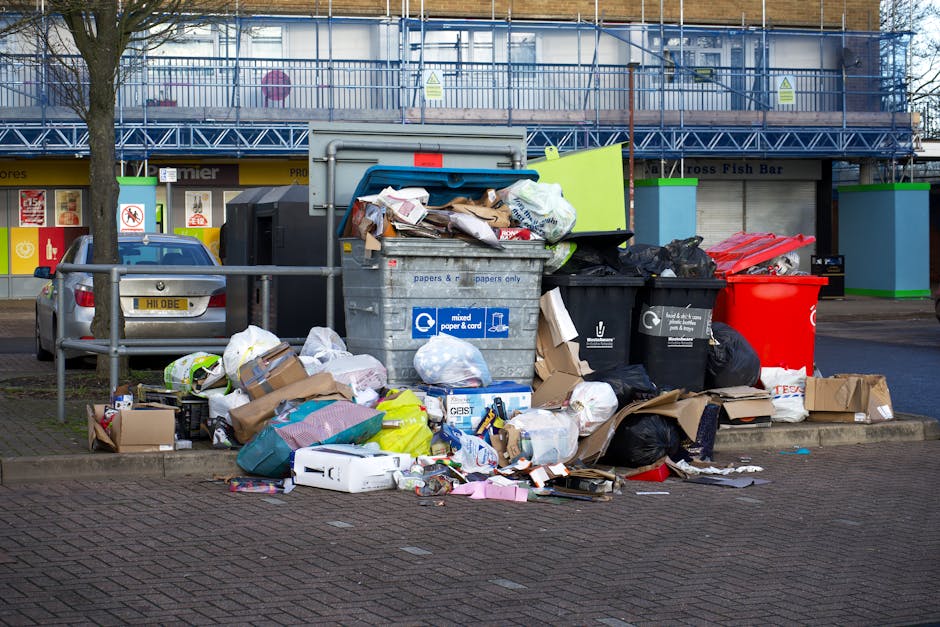
- Underestimating the volume: A few bags can become a van load once hidden storage spaces are emptied.
- Ignoring building rules: Some blocks have rules for move times, lift protection, or contractor access.
- Leaving the booking too late: Tight turnaround is possible, but last-minute jobs often cost more or limit availability.
- Mixing hazardous items in with general waste: Certain items need special handling and should never be casually bundled together.
- Forgetting parking constraints: In Earls Court, access can be the difference between a 20-minute job and a much longer one.
A smaller mistake, but still annoying: not checking whether furniture needs dismantling before removal. A wardrobe in one piece may be impossible to turn. In pieces? Easy enough. Well, easier.
Tools, Resources and Recommendations
You do not need much to prepare for flat clearance, but a few basic tools and habits make the job tidier.
- Strong bin bags or sacks: Useful for mixed small items and soft clutter.
- Tape and labels: Helpful for marking what stays and what goes.
- Moving gloves: A simple way to protect your hands if you are shifting items yourself first.
- Measuring tape: Very handy for checking whether bulky items will fit through doors or lifts.
- Camera phone: Good photos make booking easier and reduce misunderstandings.
From a service perspective, it helps to compare options before you commit. The most useful pages for that are usually a general overview of services, the provider's pricing and quotes information, and any details about insurance and safety. Those pages tell you a lot about how seriously a company treats the work.
If you are based in a flat block that also has communal gardens, terraces, or outdoor storage areas, garden waste can sometimes be part of the same booking. In that case, garden waste removal in Earls Court may be relevant too.
Law, Compliance, Standards, or Best Practice
Flat rubbish clearance in the UK should be handled with care, especially where mixed waste, electrical items, or larger loads are involved. You do not need to become a compliance expert, but you should expect the provider to follow sensible waste handling practice and take responsibility for the way items are collected, transported, and processed.
Best practice usually includes:
- checking what is being removed before collection;
- separating recyclable items where practical;
- handling electrical and bulky waste appropriately;
- avoiding obstruction of shared access routes;
- working safely in stairwells, lifts, and communal areas;
- providing clear communication about what can and cannot be taken.
In a flat environment, access control matters too. If your building has a concierge, managed entrance, or scheduled contractor windows, those instructions should be respected. That is not just good manners; it helps prevent damage, delays, and complaints.
It is also sensible to review the provider's published policies, including terms and conditions and payment and security information. Those pages can tell you a lot about how transparent the service is before you even pick up the phone.
Options, Methods, or Comparison Table
Not every flat clearance needs the same approach. Sometimes a full removal team is the right call. Sometimes a smaller waste collection is enough. Here is a straightforward comparison.
| Method | Best for | Pros | Watch out for |
|---|---|---|---|
| DIY trips to a waste facility | Very small loads and flexible schedules | Can be cheaper on paper | Time-consuming, hard without a vehicle, awkward for bulky items |
| Man-and-van style collection | Mixed household clutter, one-off flat clearances | Flexible, quick, often good for tight access | Needs accurate load estimates and access details |
| Full flat clearance service | End-of-tenancy, downsizing, full room or whole-flat clear-outs | Less stress, better for bulky and mixed items | Requires clearer planning and often more time on site |
| Specialist builders waste disposal | Refurbishment debris, broken fixtures, offcuts, packaging | More suitable for renovation material | Not ideal for general household furniture |
For most SW5 flats, the second or third option is the sweet spot. The main decision is whether you want speed, full-service handling, or just help with a specific load. If you are unsure, a provider that offers both waste removal and broader clearance options is often easier to work with than a service built for only one type of job.
Case Study or Real-World Example
Here is a realistic example based on the kind of flat clearance job people in Earls Court deal with all the time.
A tenant in an SW5 conversion flat had two wardrobes, a bed frame, several boxes of old books, kitchen clutter, and a cracked desk that no longer fit the room layout. The building had a narrow stairwell and no usable lift. Not a disaster, but definitely a job that needed some thought.
Instead of waiting until moving day, they photographed everything two days earlier and checked with the building manager about access times. The provider was told exactly what was on each floor, which items would need dismantling, and where parking would be available. On the day, the team came prepared with tools, cleared the items in one visit, and avoided any awkward dragging or repeat trips through the building.
What made it work? Three things.
- They were honest about access.
- They gave the provider a proper item list.
- They did not leave the sorting until the final hour.
Nothing fancy. Just clear communication and realistic planning. That is usually the difference between a smooth clearance and a stressful one. And yes, the flat looked much bigger afterwards. Always does.
Practical Checklist
Use this quick checklist before booking an SW5 flat clearance.
- List every item you want removed.
- Separate furniture, bags, electricals, and bulky waste.
- Check stairs, lifts, and door widths.
- Confirm whether the building has any access rules.
- Take clear photos of the items and route.
- Ask about recycling and disposal handling.
- Choose a time that suits neighbours and building management.
- Clear the pathway from the flat to the exit.
- Keep valuable or personal items out of the clearance zone.
- Review pricing, payment, and terms before confirming.
Quick summary: if you do these ten things, the job becomes much easier. Not perfect. Just easier. Which, honestly, is what most people need.
Conclusion
Clearance in an Earls Court flat is rarely difficult because of the rubbish itself. It is difficult because of the building around it: the stairs, the neighbours, the parking, the timing, and the fact that most SW5 homes were not designed with modern bulky waste in mind. Once you understand that, the process becomes far more manageable.
This Earls Court rubbish clearance guide for SW5 flats is really about making good decisions early. Sort the items, check access, choose the right service, and stay realistic about time and space. Do that, and you will avoid most of the usual headaches. You will also end up with a cleaner flat and a calmer day, which is no small thing in London.
If you are comparing service types or planning a larger clear-out, it is worth revisiting the most relevant service pages and choosing the option that matches your actual needs rather than guessing. A little preparation goes a long way.
Get a free quote today and see how much you can save.
And if nothing else, remember this: a clear flat has a way of making everything feel more possible. That is a nice feeling to come home to.

From a young age, Blair has cultivated a passion for order, which has now matured into a prosperous profession as a waste removal specialist. She derives satisfaction from transforming disorderly spaces into practical ones, aiding clients in conquering the burden of clutter.
 Tipper Van - Rubbish Disposal and Rubbish Clearance Prices in Earls Court, SW5
 Luton Van - Rubbish Disposal and Rubbish Clearance Prices in Earls Court, SW5